Knee Ligament Injuries
Knee Ligament Injuries
The knee is the largest joint in the body and is vitally important for movement. The stability
of the knee is provided by the collateral ligaments and the cruciate ligaments. The cruciate ligaments connect
the thigh bone (femur) and the shin bone (tibia) from within the knee joint. Like a short
rope, these ligaments bind the two bones tightly together and provide the stability needed as the
knee bends and straightens. The one at the front is called the anterior cruciate ligament (ACL)
and the one at the back is called the posterior cruciate ligament (PCL). The collateral ligaments
stabilize the femur and tibia by connecting them on the inner and outer sides (the lateral
collateral ligament attaches to the fibula bone located behind and to the outside of the tibia,
thereby stabilizing the tibia indirectly). They prevent the knee joint from opening to either side. At
the same time, they support the cruciate ligaments in stabilizing the rotational movements of these bones.
Anterior cruciate ligament (ACL) injuries
The anterior cruciate ligament (ACL) prevents the tibia from sliding forward relative to the
femur. It also prevents the rotational movement of the tibia. The anterior cruciate ligament
can be injured by a sudden change of direction, twisting of the knee, slowing
down while running or skiing, landing after a jump, or a direct blow to
the knee. When your anterior cruciate ligament is injured, you may not feel pain
right away. A popping sound, or a sudden feeling of the knee giving way
or slipping, is usually felt. Within hours the knee swells, and there is pain
when standing up. An ACL tear may be accompanied by an injury to the
medial collateral ligament and the lateral meniscus. The main method for diagnosing and evaluating
ACL tears is examination of the patient by an orthopedic specialist. There are various
examination tests. In particular, the stability tests that determine the decision for surgery are
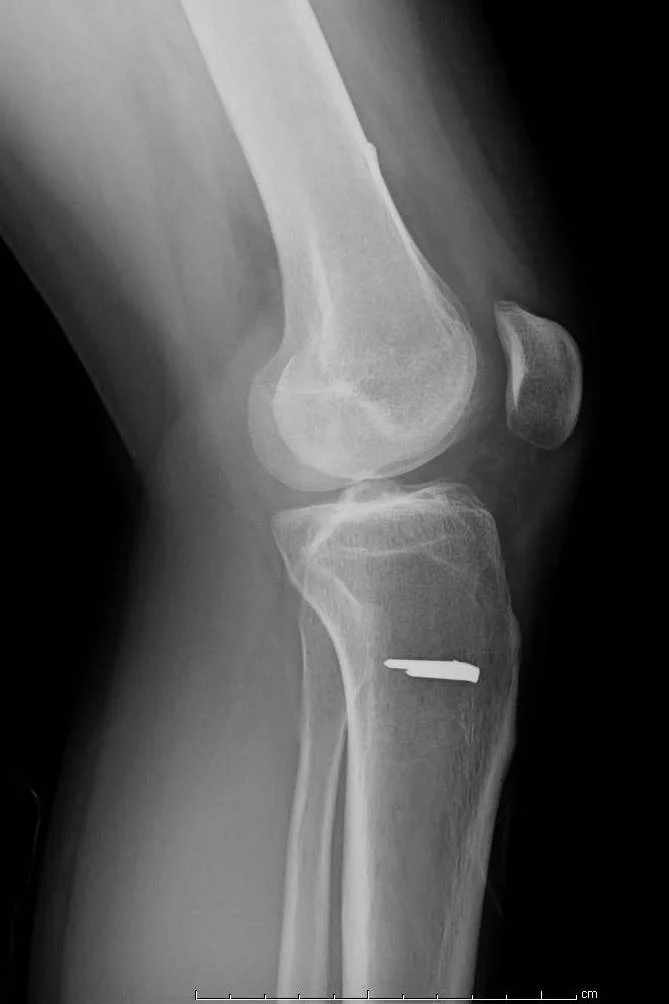
performed by examination. In patients with this type of knee injury, plain X-rays may
be requested to detect other bone pathologies, and an MRI to detect pathologies inside
the joint. There are both surgical and non-surgical treatment options. Non-surgical treatment: for partial
tears, and for people whose age or general physical activity level is low, surgical
treatment of the knee may not be needed. Such patients are advised to do
regular exercises that strengthen the front and back thigh muscles (quadriceps and hamstrings) and
to use a special knee brace. Surgery is necessary in active patients who have
an ACL tear and want to do sports. Occasionally it is also recommended for
less active people who experience knee twisting, in order to restore confidence in the
knee and to prevent cartilage damage. In surgical treatment, a reconstruction appropriate to the
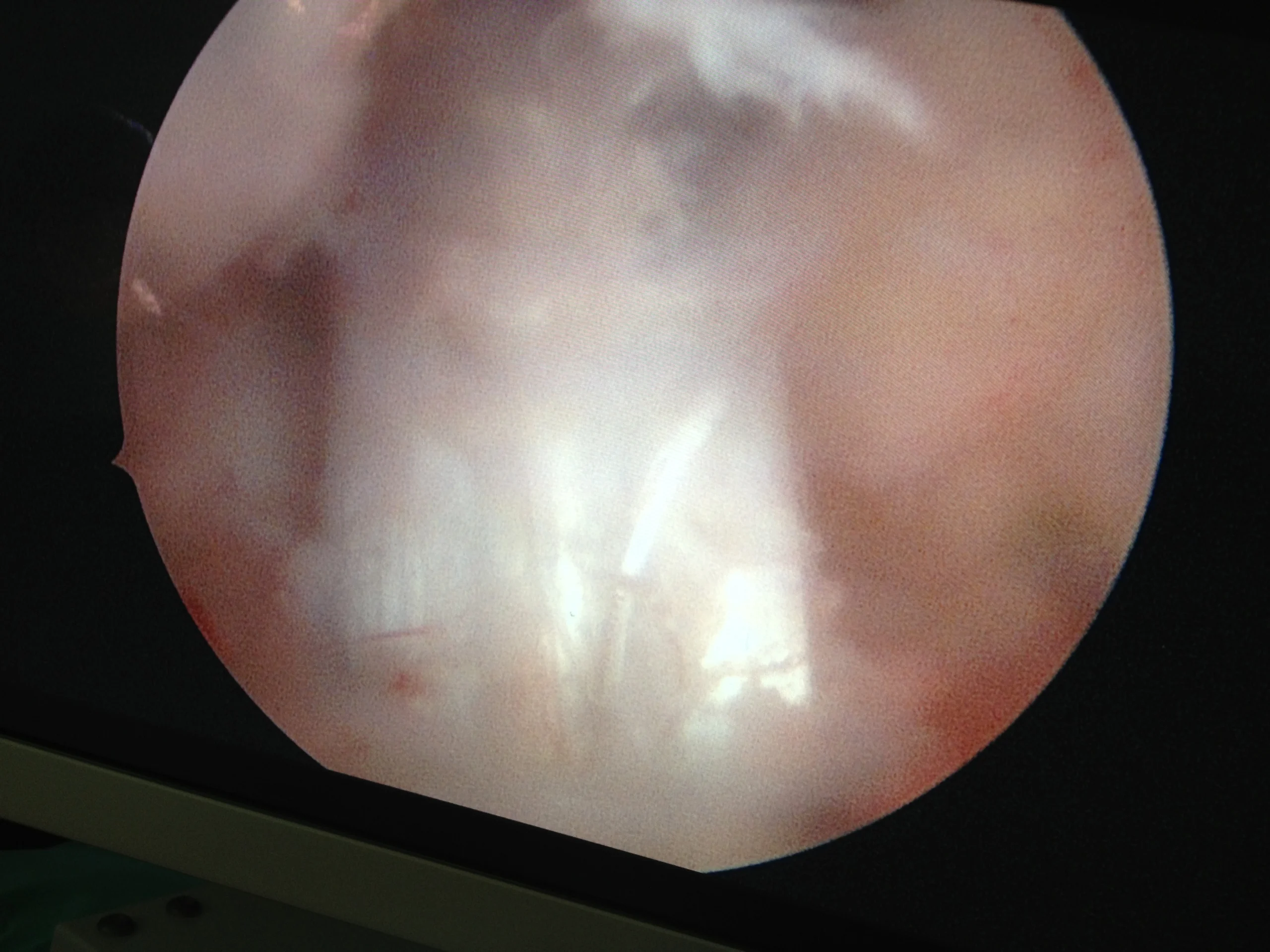
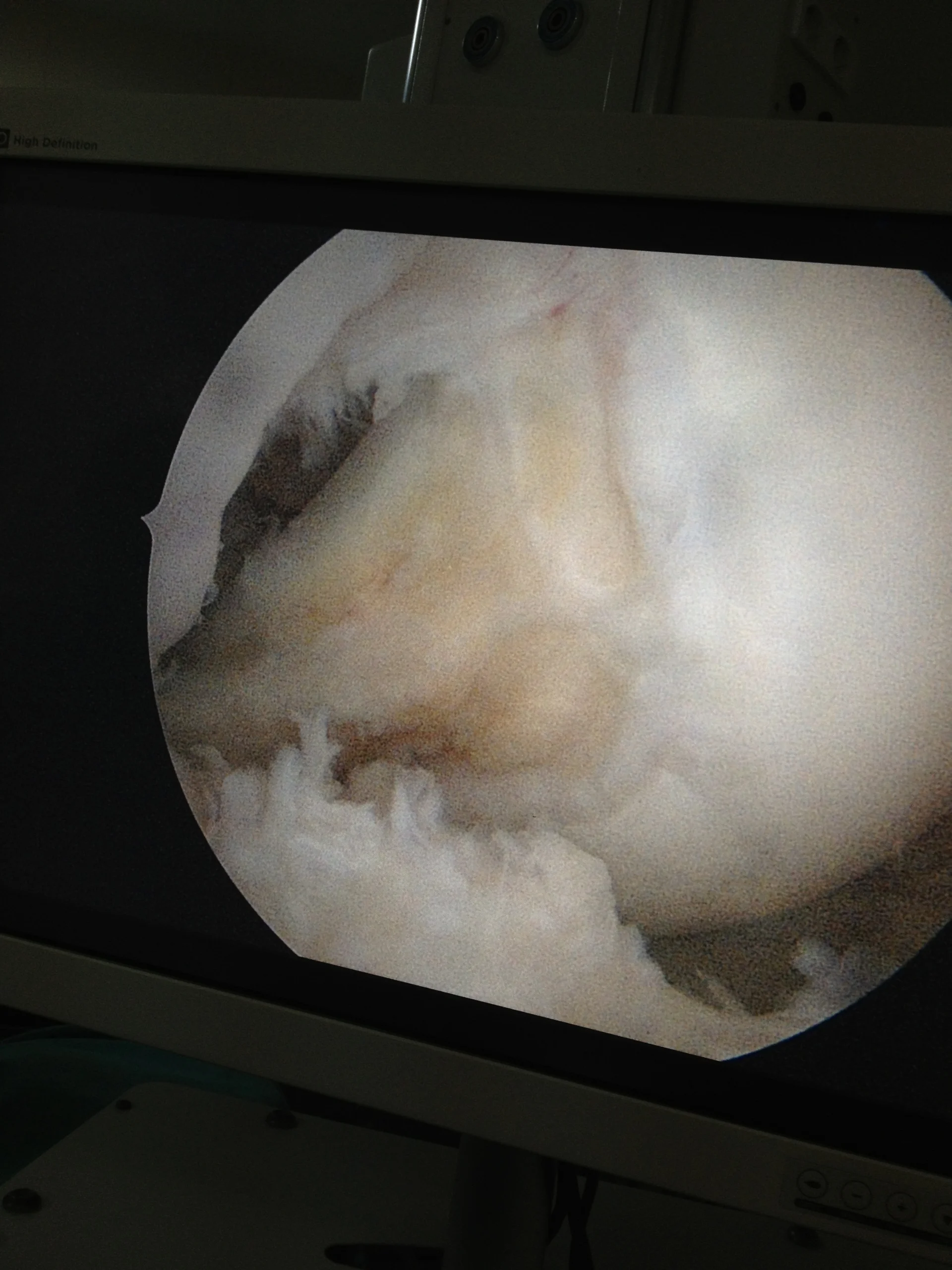
original anatomy of the anterior cruciate ligament is usually achieved arthroscopically using a tendon
(or part of a tendon) from around the knee. After ACL reconstruction surgery, the
patient uses a knee brace for about 1.5 months, is allowed to begin
running exercises at 3 months, and contact sports such as football and basketball
at 6 months. A serious physical therapy and rehabilitation program is carried out.
Collateral ligament injuries
Tears in the medial collateral ligament (MCL) do not require surgical treatment. In this case, depending
on your doctor's decision, a bandage or one of various knee brace options can be used.
A knee brace is worn for 6 weeks. In these situations, applying ice for 15 to
20 minutes 2 to 3 times a day, keeping the leg elevated, and resting help the
swelling and pain heal more quickly. With physical therapy, the patient makes a full recovery.