
Lumbar Spinal Stenosis
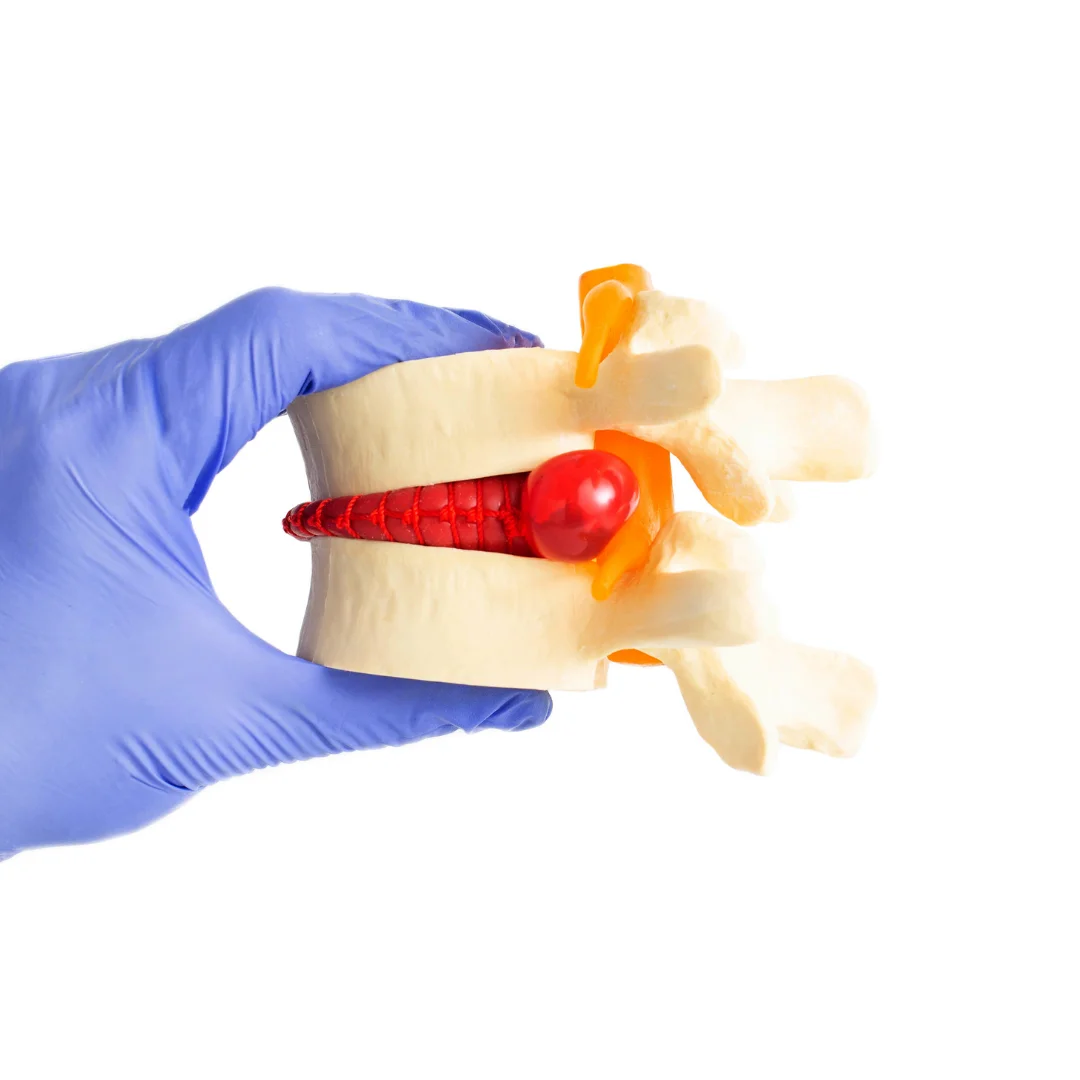
The lumbar spine is made up of a series of interconnected bones called vertebrae. These bones surround the spinal canal, which runs between the vertebrae and through which the spinal cord passes. The other structures that form the boundaries of the spinal canal are the intervertebral discs between the vertebrae, the facet joints, and the connective tissues (the ligamentum flavum). With aging, the discs between the vertebrae lose their spongy structure and begin to contain less water. Arthritis (the wearing away of cartilage tissue) then begins to develop in the facet joints, and these joints enlarge into the canal, causing it to narrow. This condition is called "spinal stenosis," or a narrow canal. The complaints that can develop in patients include pain, numbness, or loss of sensation in the legs, as well as leg cramps, occurring especially with walking. These complaints usually tend to disappear when the patient stands still or lies down in bed. Rarely, problems related to bowel and bladder control may also be encountered.
Because bending forward or sitting increases the diameter of the spinal canal, it can reduce the pain or make it disappear completely. For example, patients report that their complaints ease while pushing a shopping cart at the supermarket.
The diagnosis is made with magnetic resonance imaging (MRI), computed tomography (CT), or lumbar myelography. The first treatment options are anti-inflammatory medications (oral or by injection) that reduce inflammation (irritation), or painkillers (analgesics). In cases where the complaints are severe, spinal injections (such as epidural cortisone injections) may be recommended.
Surgery is recommended only for the small number of patients whose pain cannot be relieved by non-surgical methods. Surgery is also recommended for people who have progressive leg weakness or bladder and bowel control problems. Surgery is likewise a good option in patients whose walking distance has become very short and whose quality of life has declined. Since a narrow canal results from the narrowing of the bony canal, the aim in surgery is to open the bony canal and provide enough room for the nerves. This procedure is called lumbar decompression surgery, or laminectomy.
After the operation, the patient stays in the hospital for at least a few days. Patients' complaints resolve very quickly. Within 2-3 weeks, they can return to their daily activities and to a normal life.